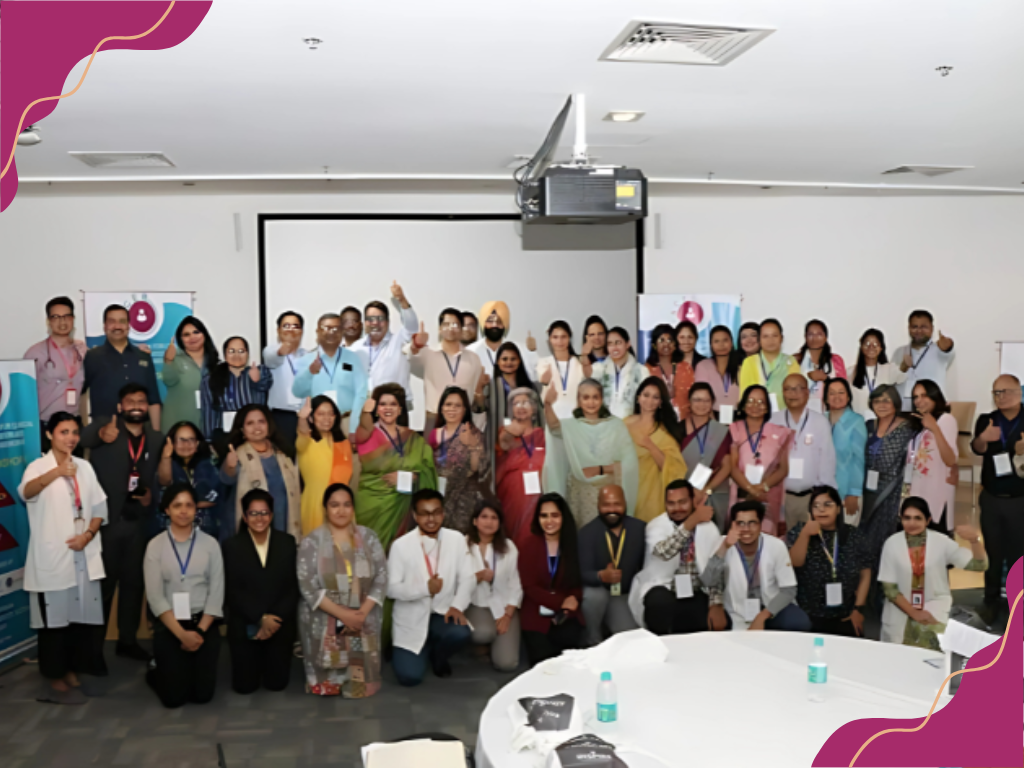
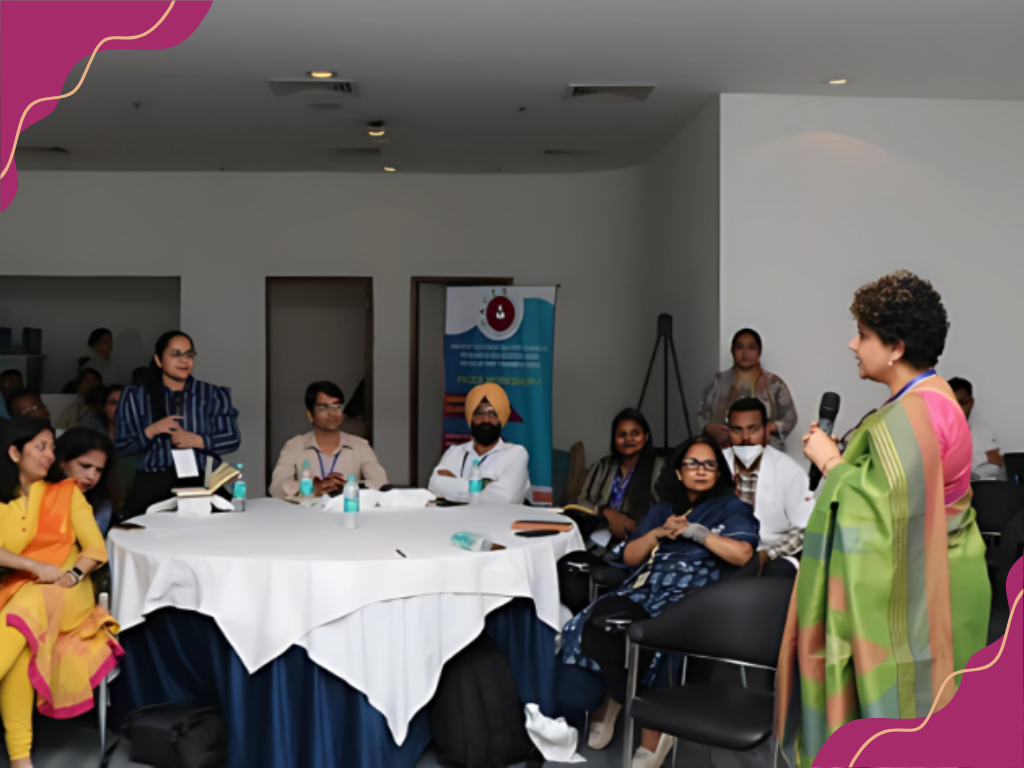
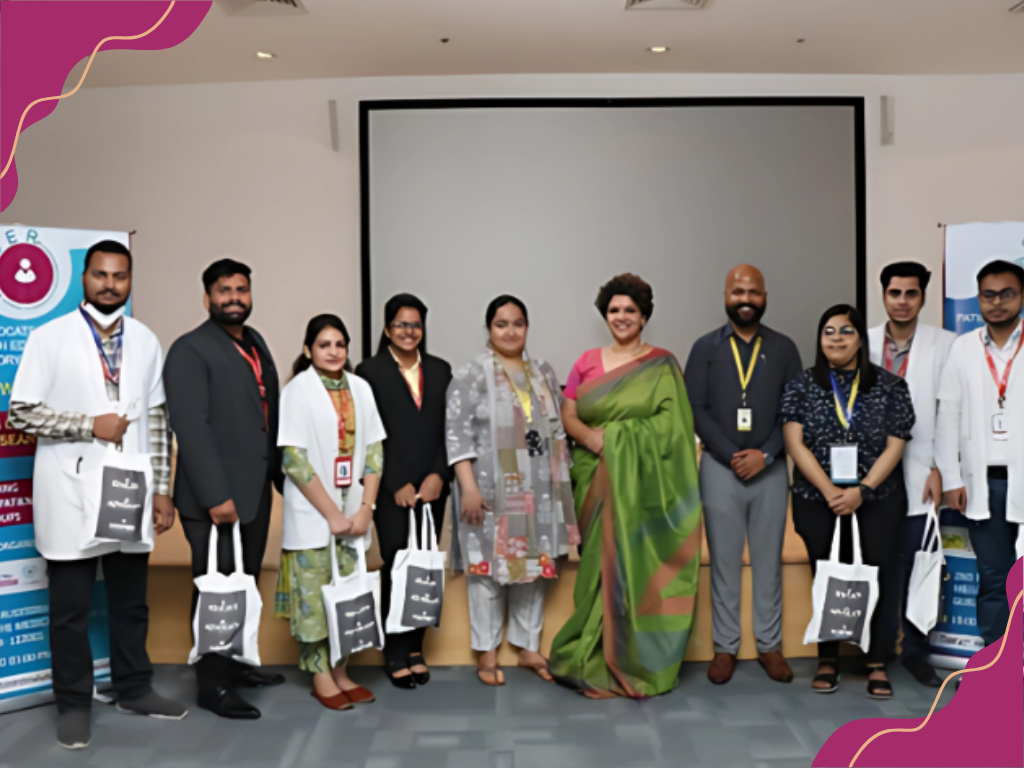
From Patient Navigator to Patient Advocate – Improving Healthcare outcomes through evidence based advocacy research
25th November 2023
The Leela Palace, Chennai
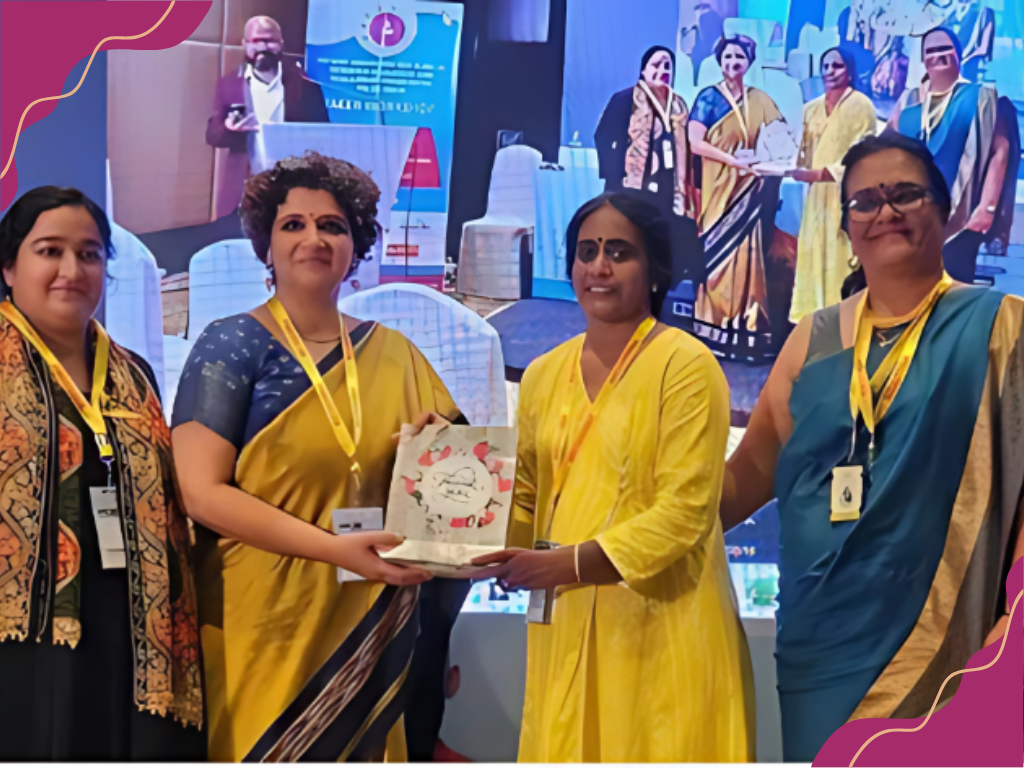
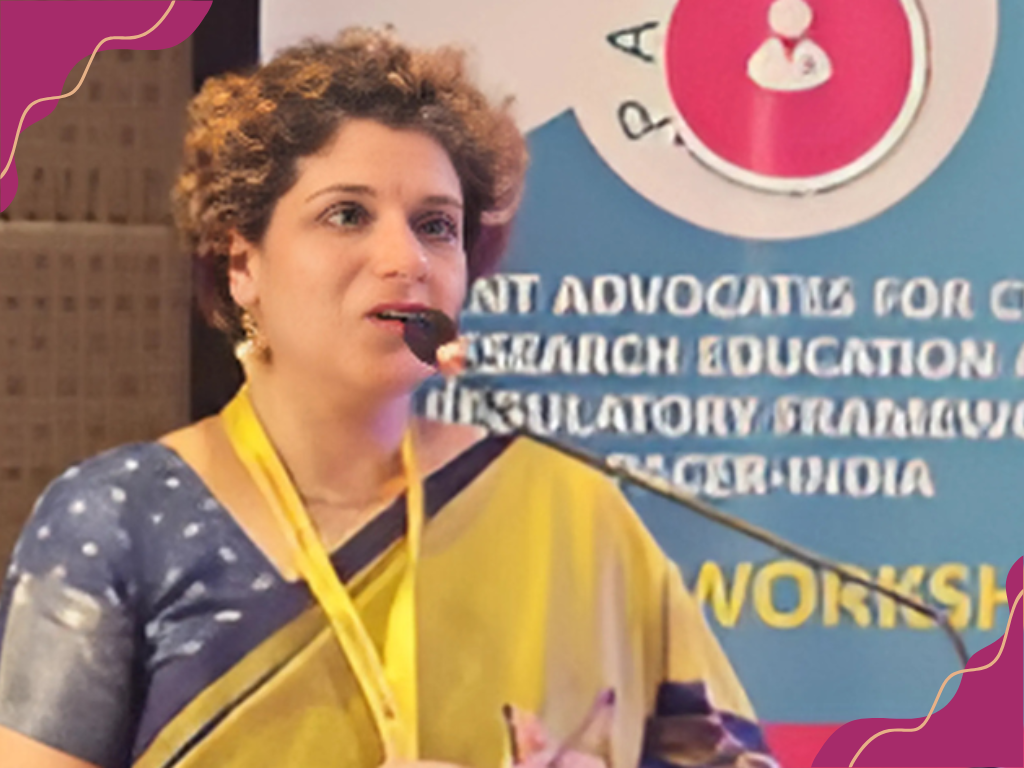
Key Components Discussed
- Engagement of PAGs in drug development phases
- How PAGs can help patients participate Research and hold hand for patients rights in research.
Good Clinical Practice & Research Ethics
15th June 2023
Amrita Institute of Medical Sciences, Faridabad
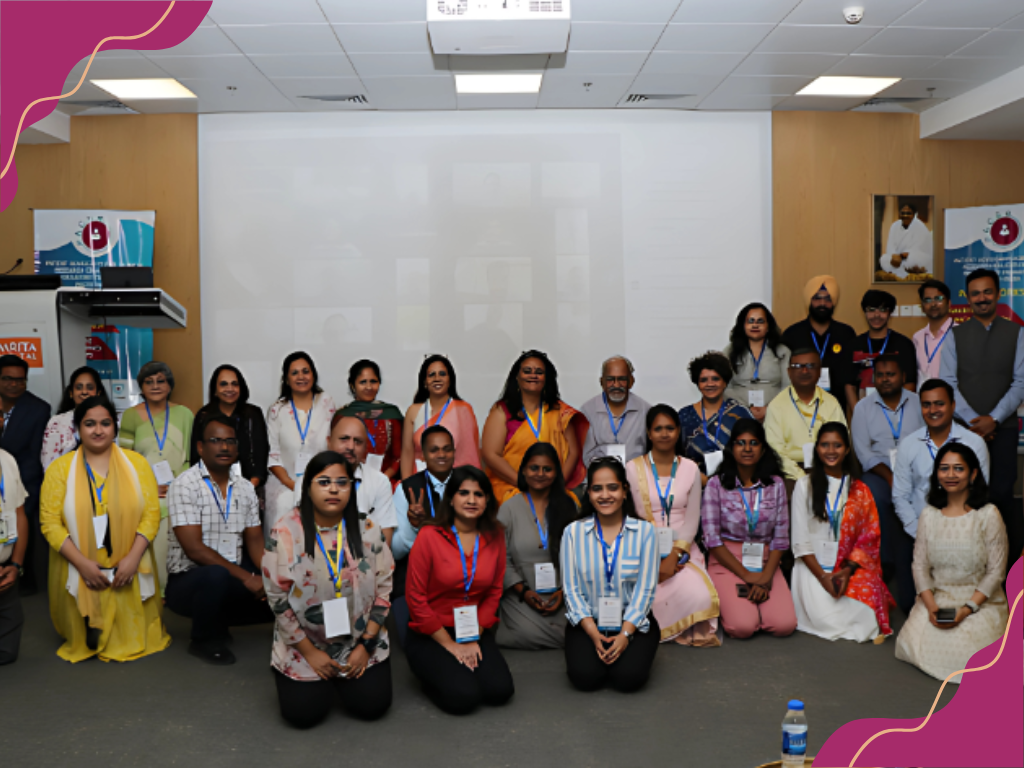
Key Components Discussed
- How Patient Advocate Groups (PAGs) can Uphold the ethical principles and avoid conflicts of interest and bias.
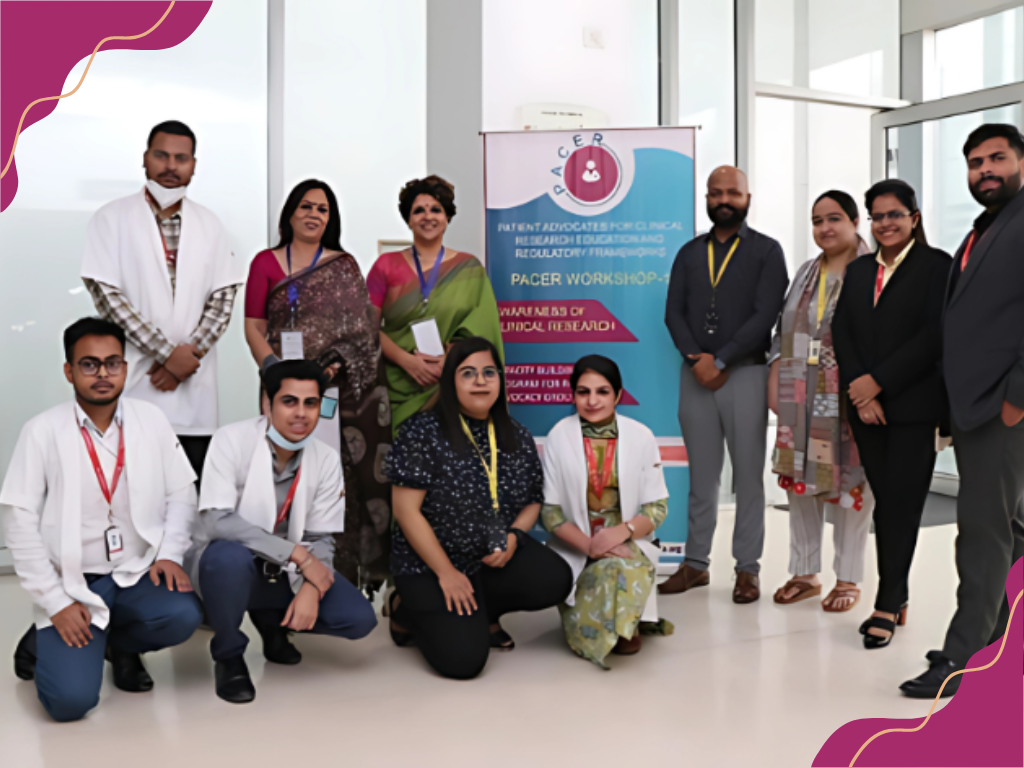
Awareness on Clinical Research
31st March 2023
Medanta, The Medicity, Gurugram
Key Components Discussed
- What is clinical research
- Informed consents
- Ethical, legal & regulatory framework
- Importance of Clinical research for patient advocates
Workshop Series Overview
Workshops Conducted
0
Months Duration
0
Cities Covered
0
This comprehensive workshop series provided essential knowledge and skills for patient advocates, covering clinical research fundamentals, ethical practices, regulatory frameworks, and patient-centric approaches to improve healthcare outcomes.
Workshop Statistics
Workshop 1: Impact Analysis of Clinical Research Awareness
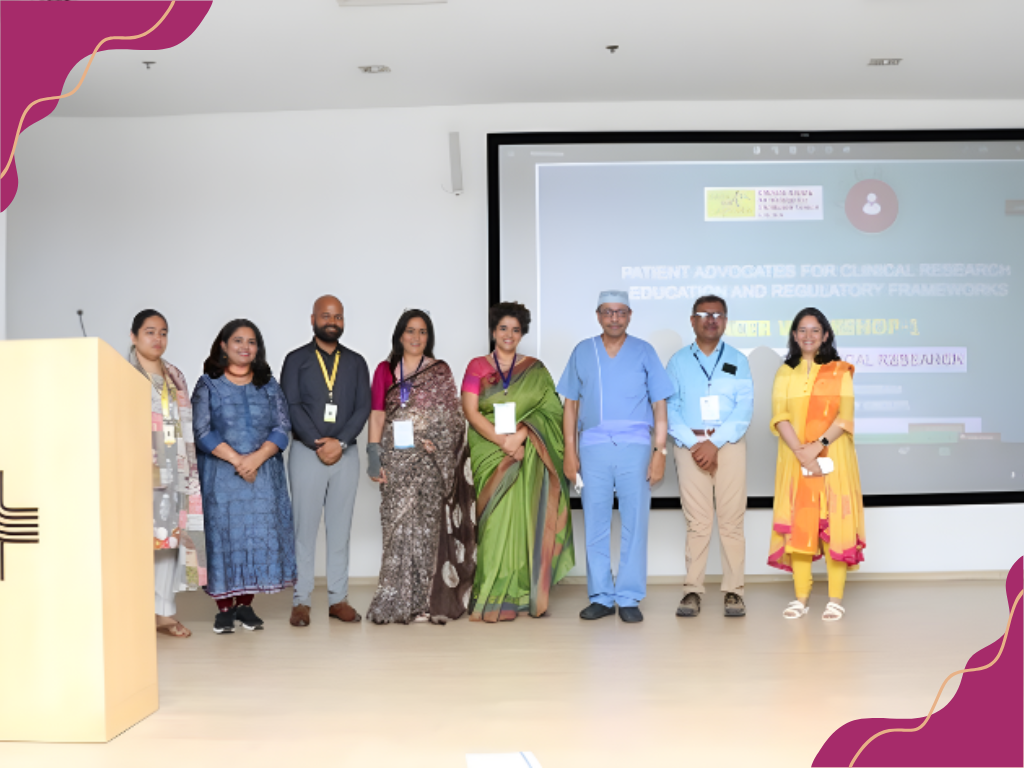
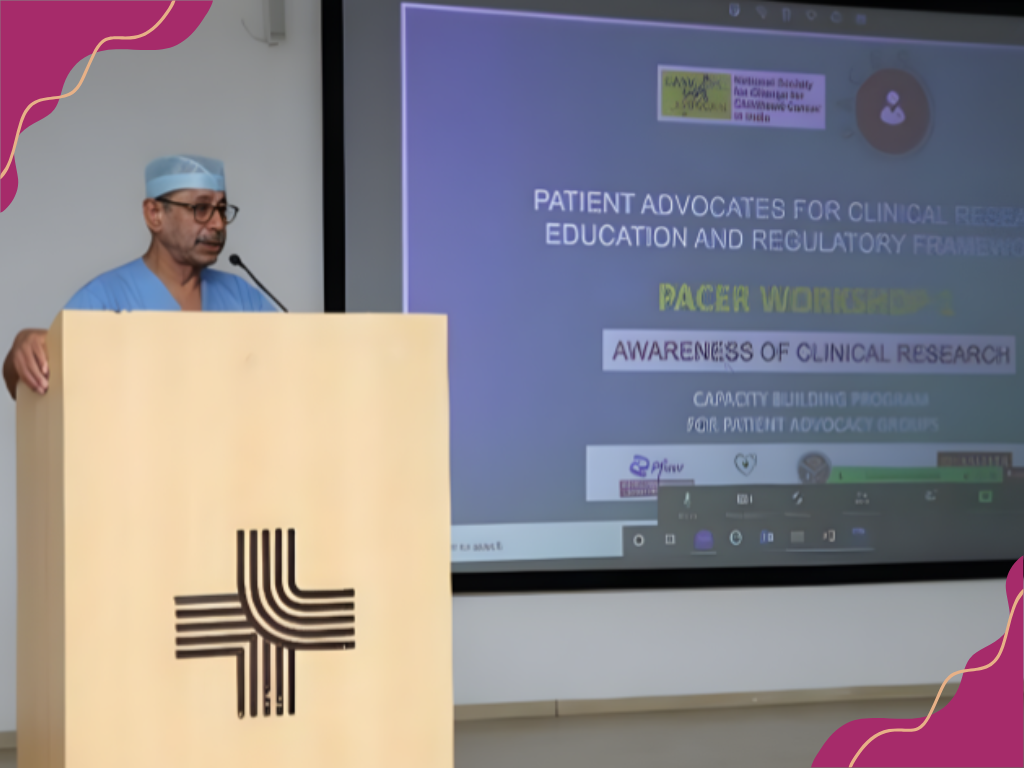
Awareness on Clinical Research
31st March 2023
Medanta, The Medicity, Gurugram
Key Components Discussed
- What is clinical research
- Informed consents
- Ethical, legal & regulatory framework
- Importance of Clinical research for patient advocates
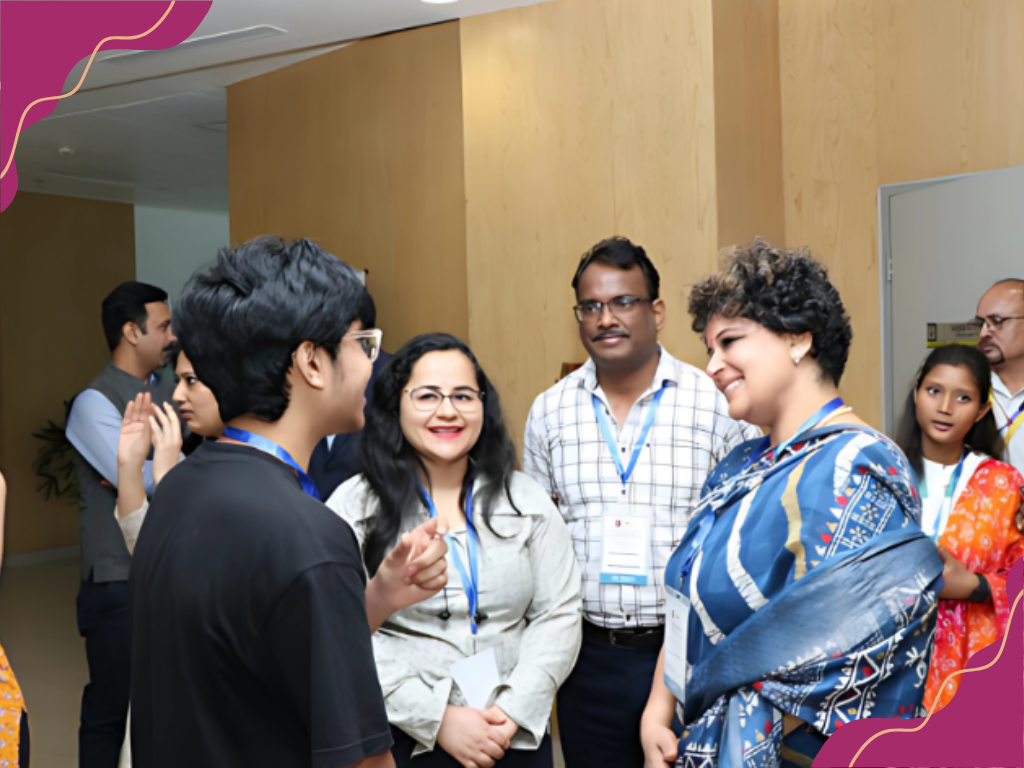
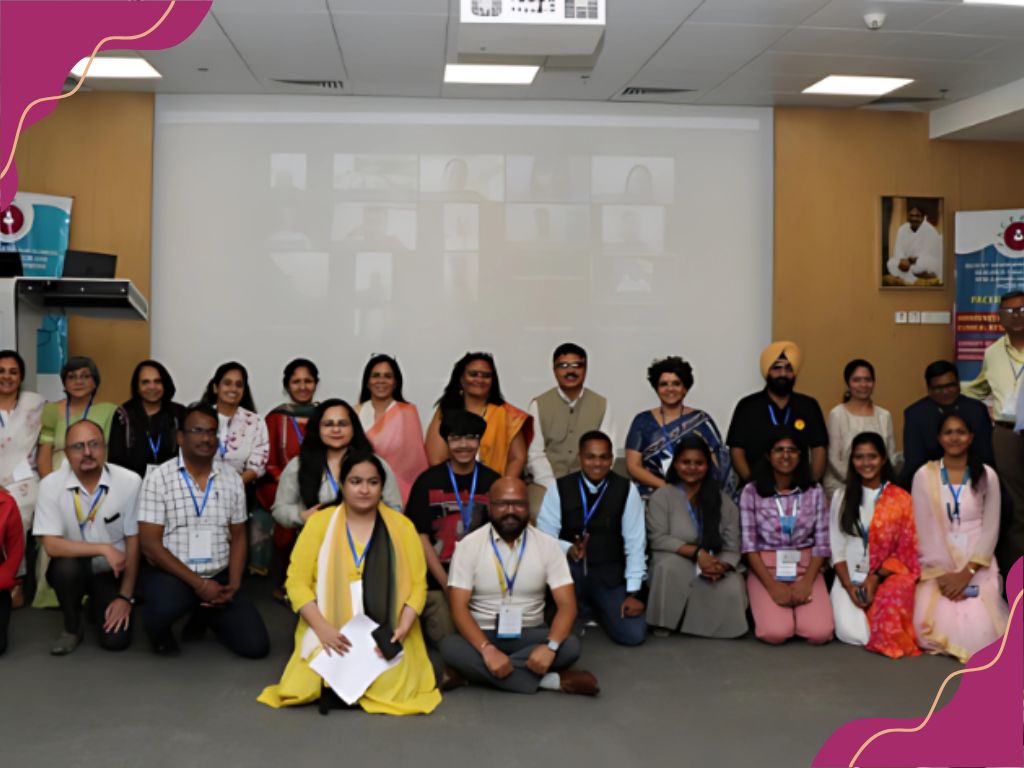
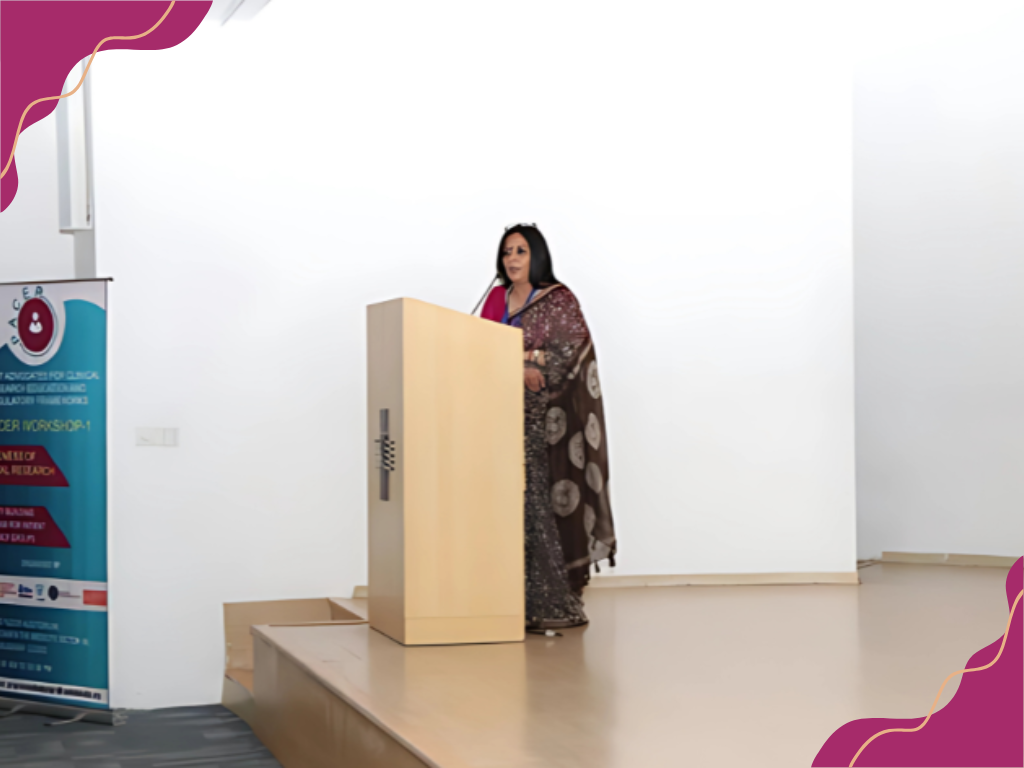
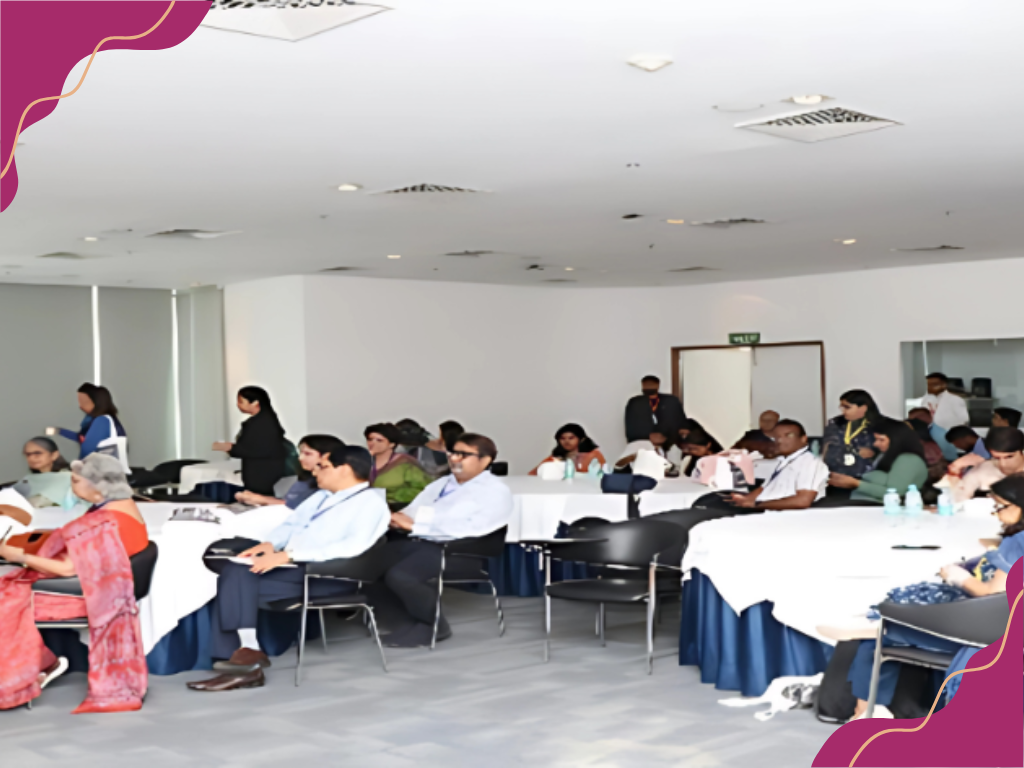
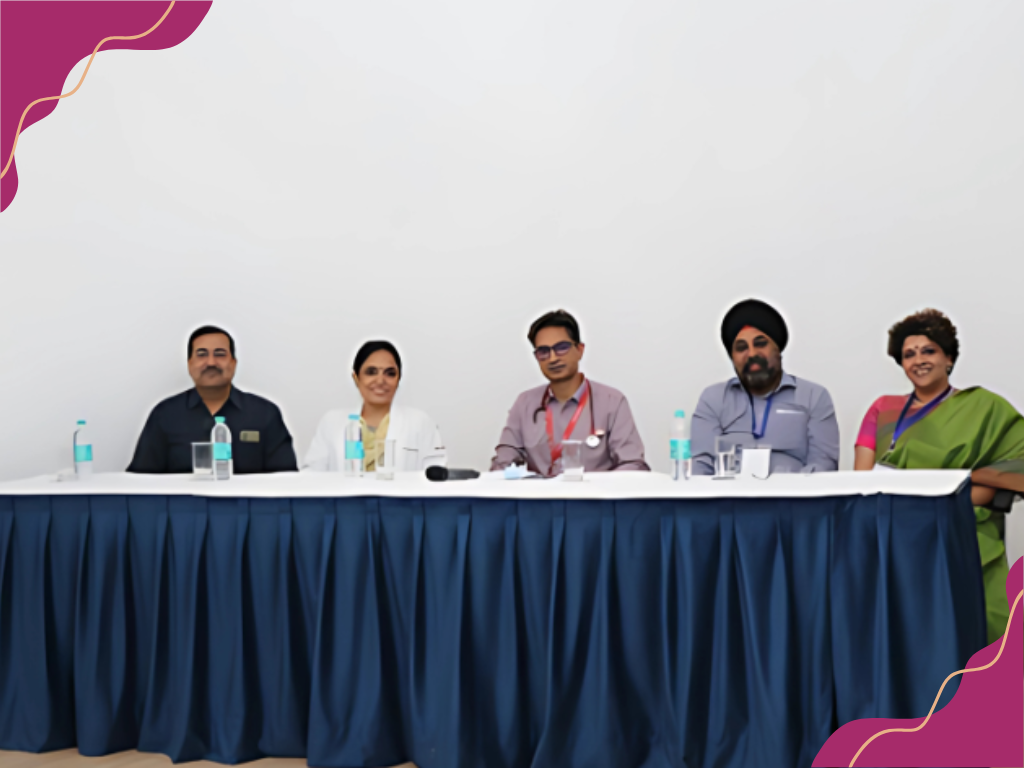
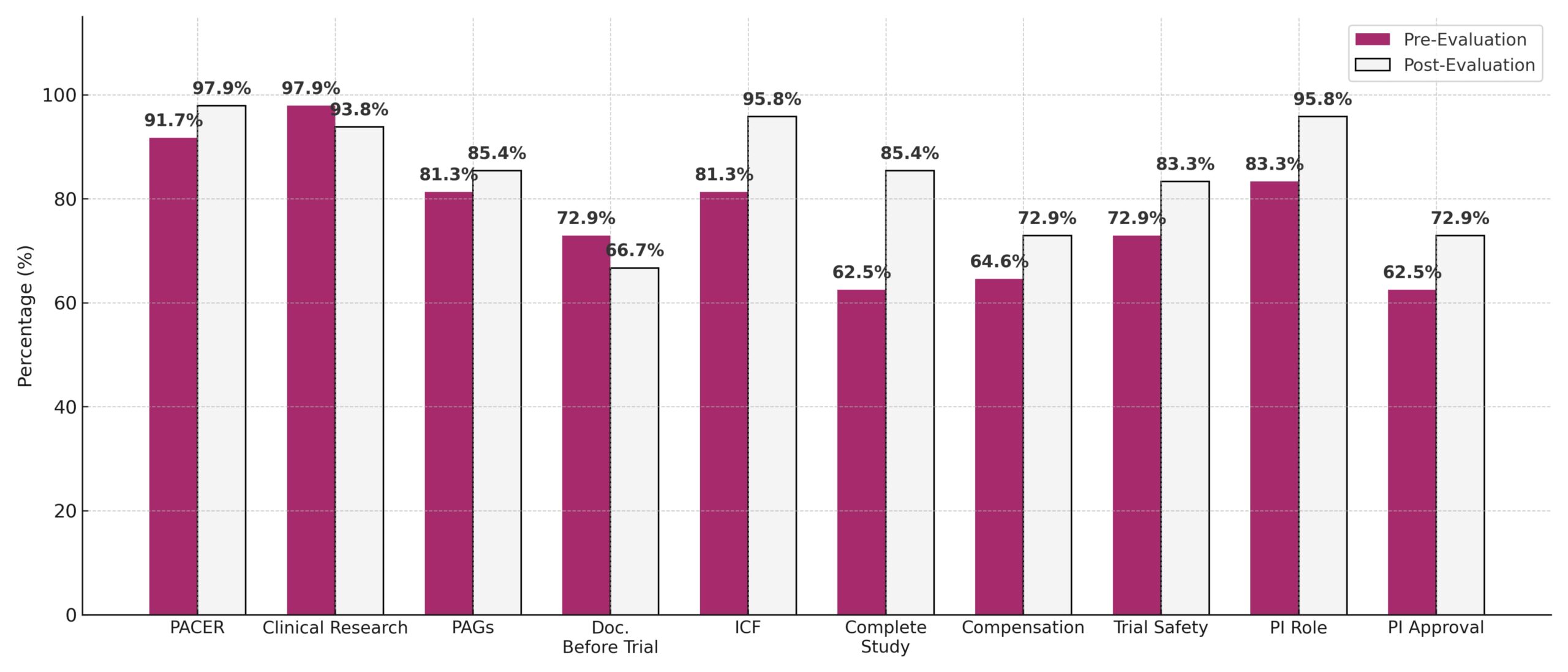
A total of 20 PAGs represented by 48 participants, active in areas of pediatric cancer, breast cancer, multiple myeloma, type I diabetes, spinal muscular atrophy, sickle cell disease, and inflammatory bowel diseases, participated. Among 48 participants 30 successfully completed the online course (multiple-choice question evaluation score cut-off >70%), attaining an average score of 23.9 ± 2.1 out of 30. Overall, 48 participants attended workshop 1 and 45 workshop 2, with 140 participants joining the focus group discussion (FGD). An overall improvement of 9.4% (2 = 46.173; p < 0.001) for workshop 1 and 8.2% (2 = 25.412; p < 0.001) for workshop 2 was seen in knowledge gain about clinical research. The FGD raised issues such as misleading information from research teams, unethical recruitment, incomprehensible information sheets, and limited trial-related knowledge fostering fear of participation in clinical research.
Awareness on Clinical Reaserach
31st March 2023
Medanta, The Medicity, Gurugram
Key Components Discussed: What is clinical research? Informed consents. Ethical, legal & regulatory framework. Importance of Clinical research for patient advocates.
Education
Awareness On Clinical Research
Learn essential skills for effective patient advocacy and healthcare navigation.